Skip to content

Cart

Your cart is empty

The Vault

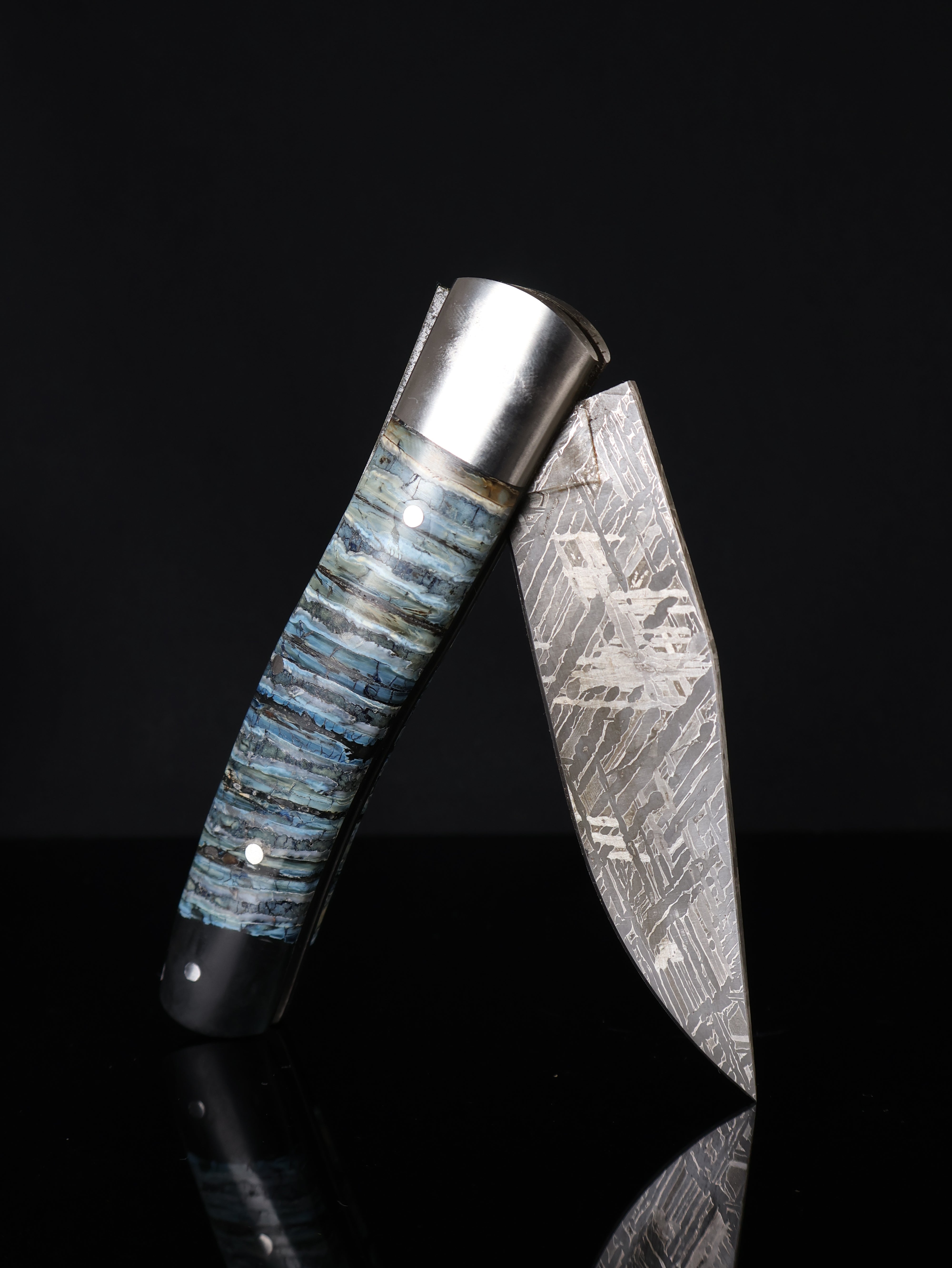
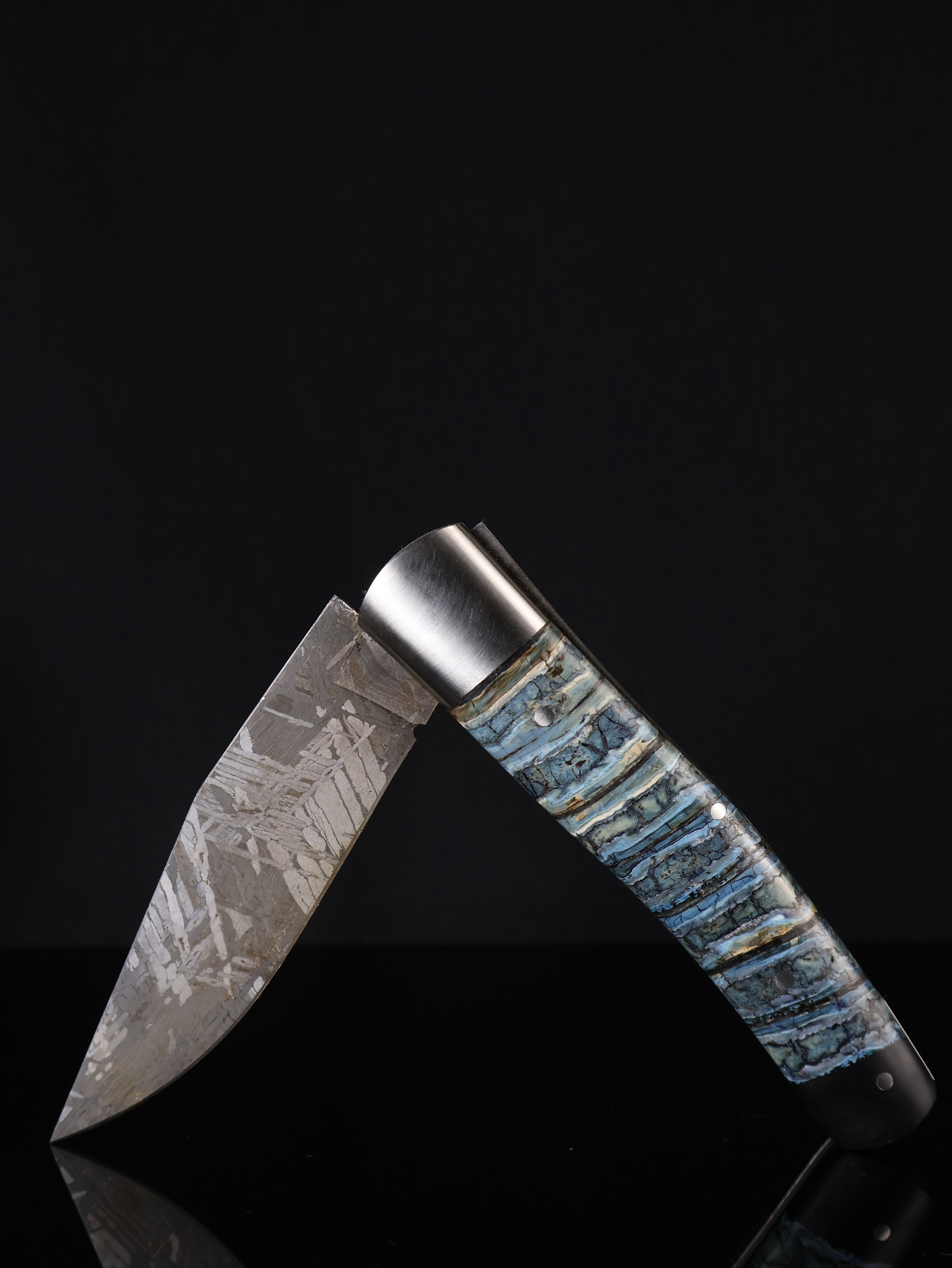
One of one, and never again.

Some things only happen once — a piece of jewelry that can’t be made twice, an end cut with a face like no other, an object too singular for the everyday catalog. They go into the Vault. One of each, and no second chance.

— Before you choose —

Questions, answered.

How do I know it’s a real meteorite?
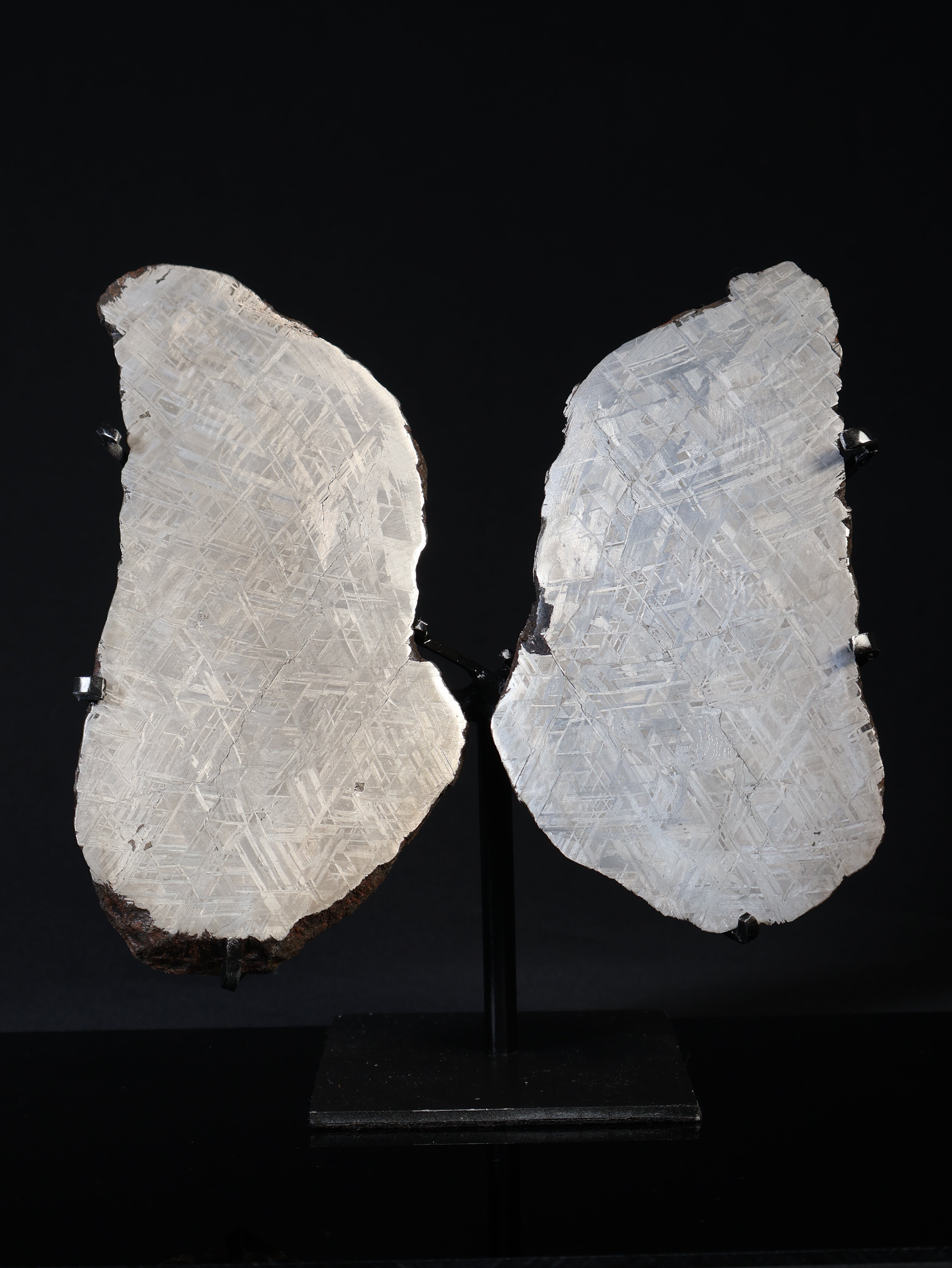
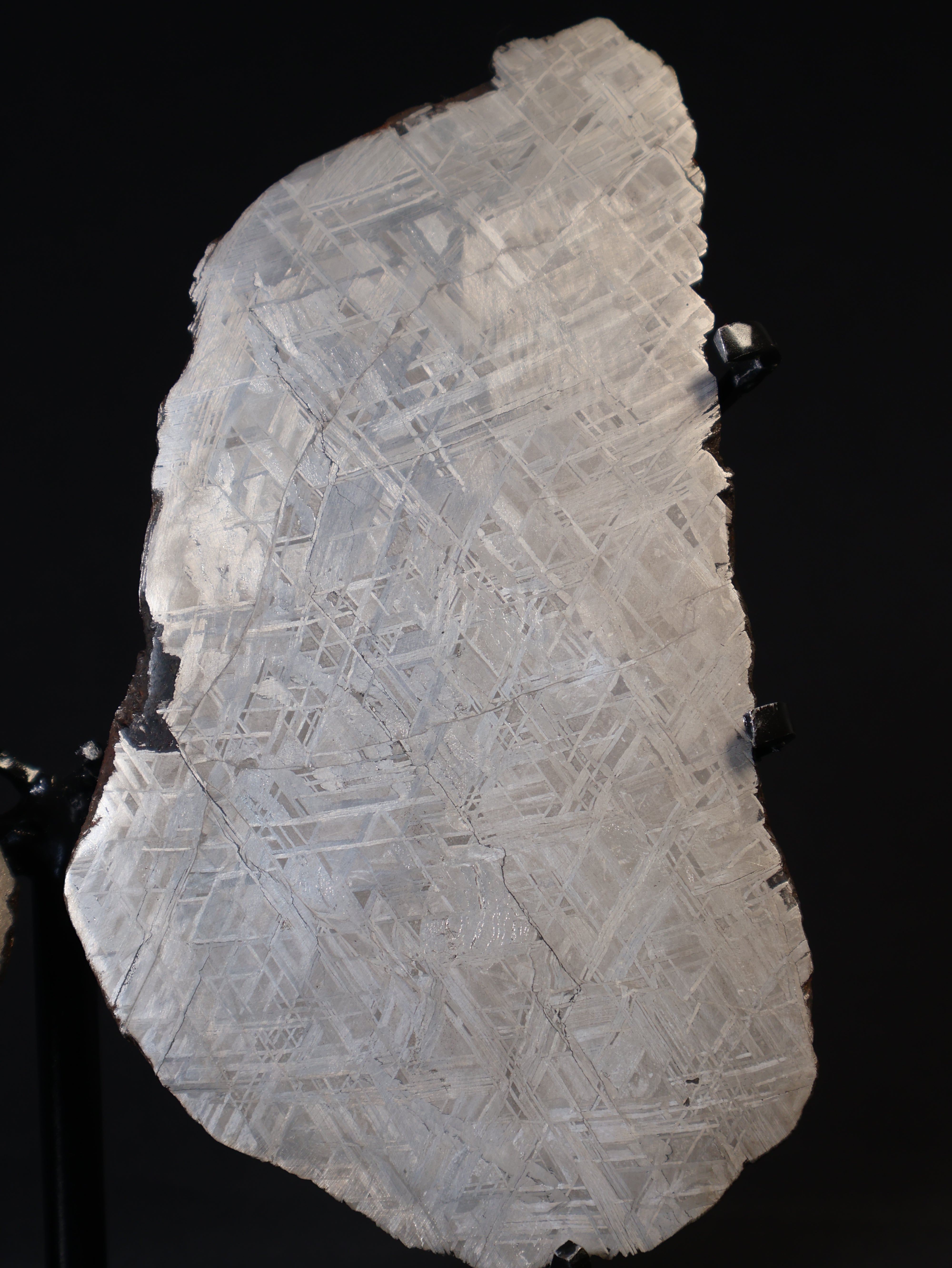
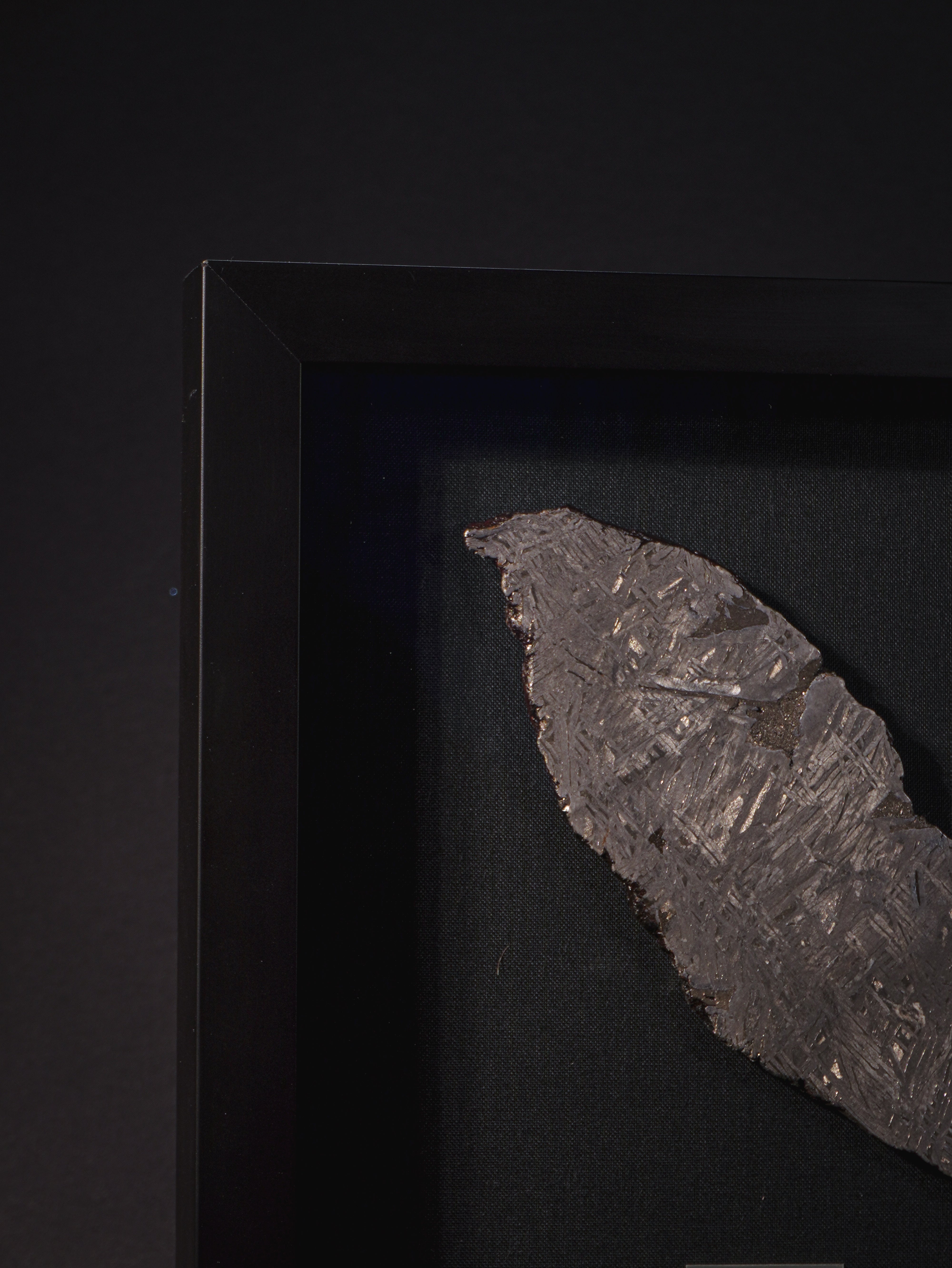
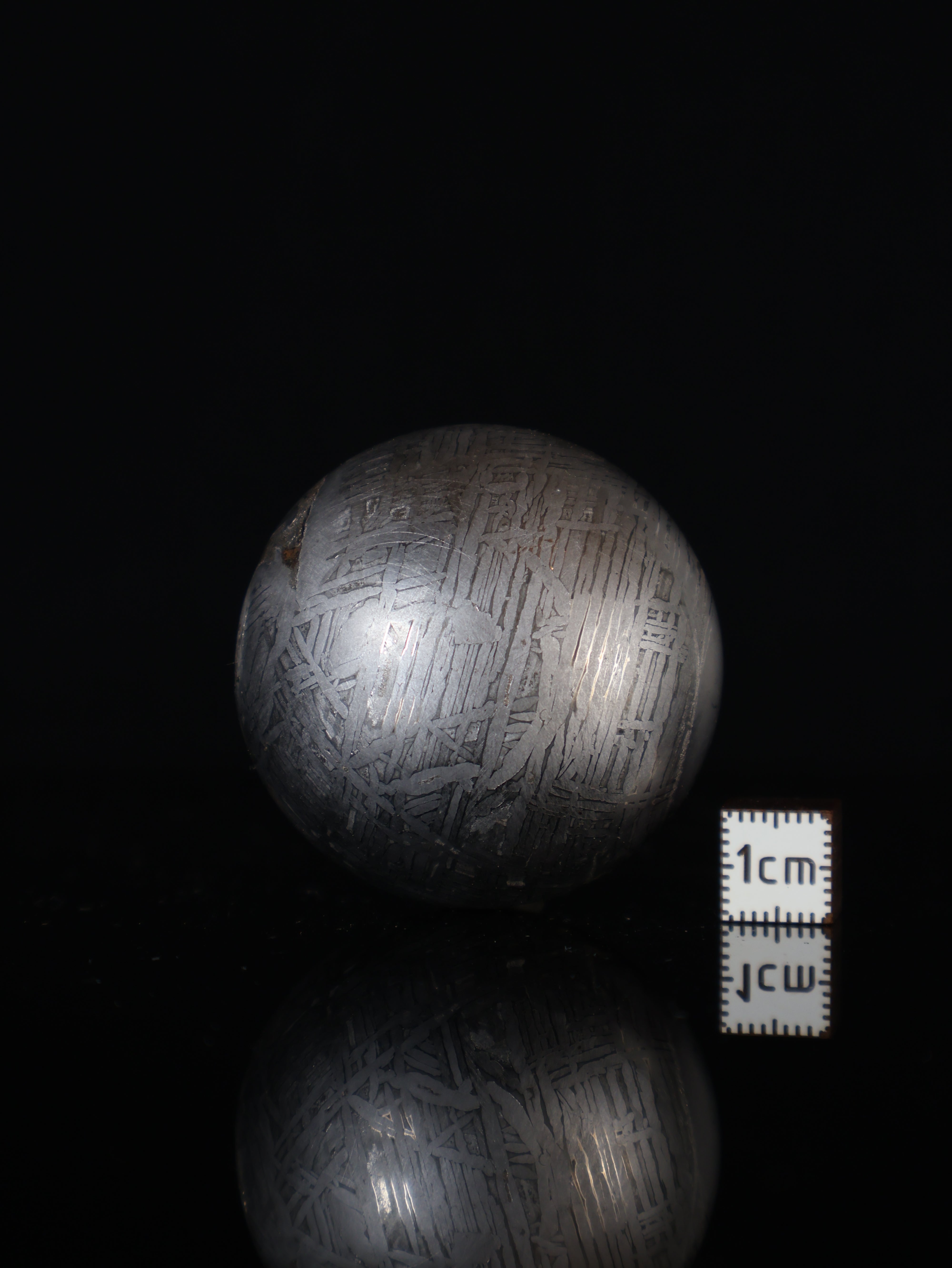
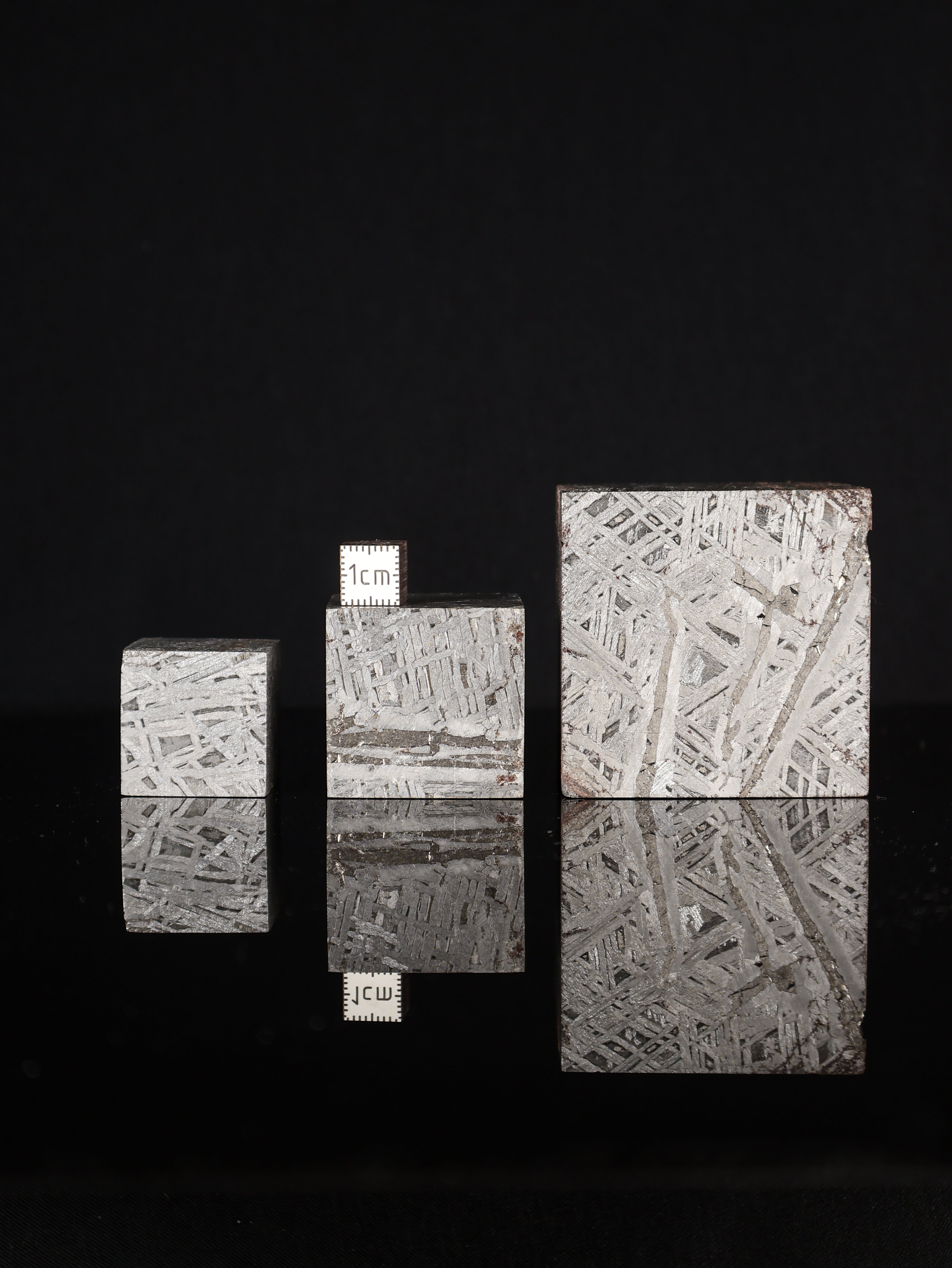
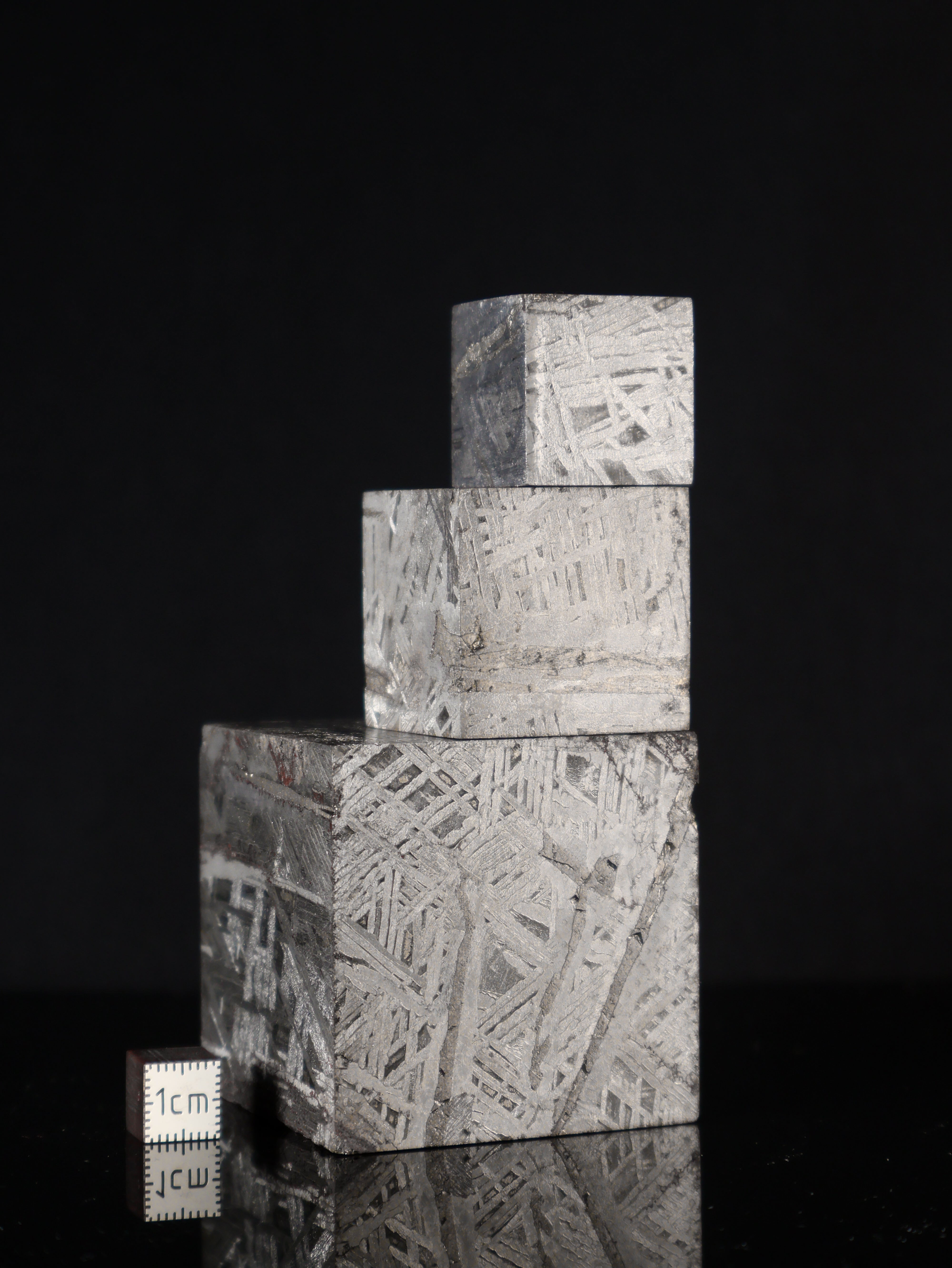
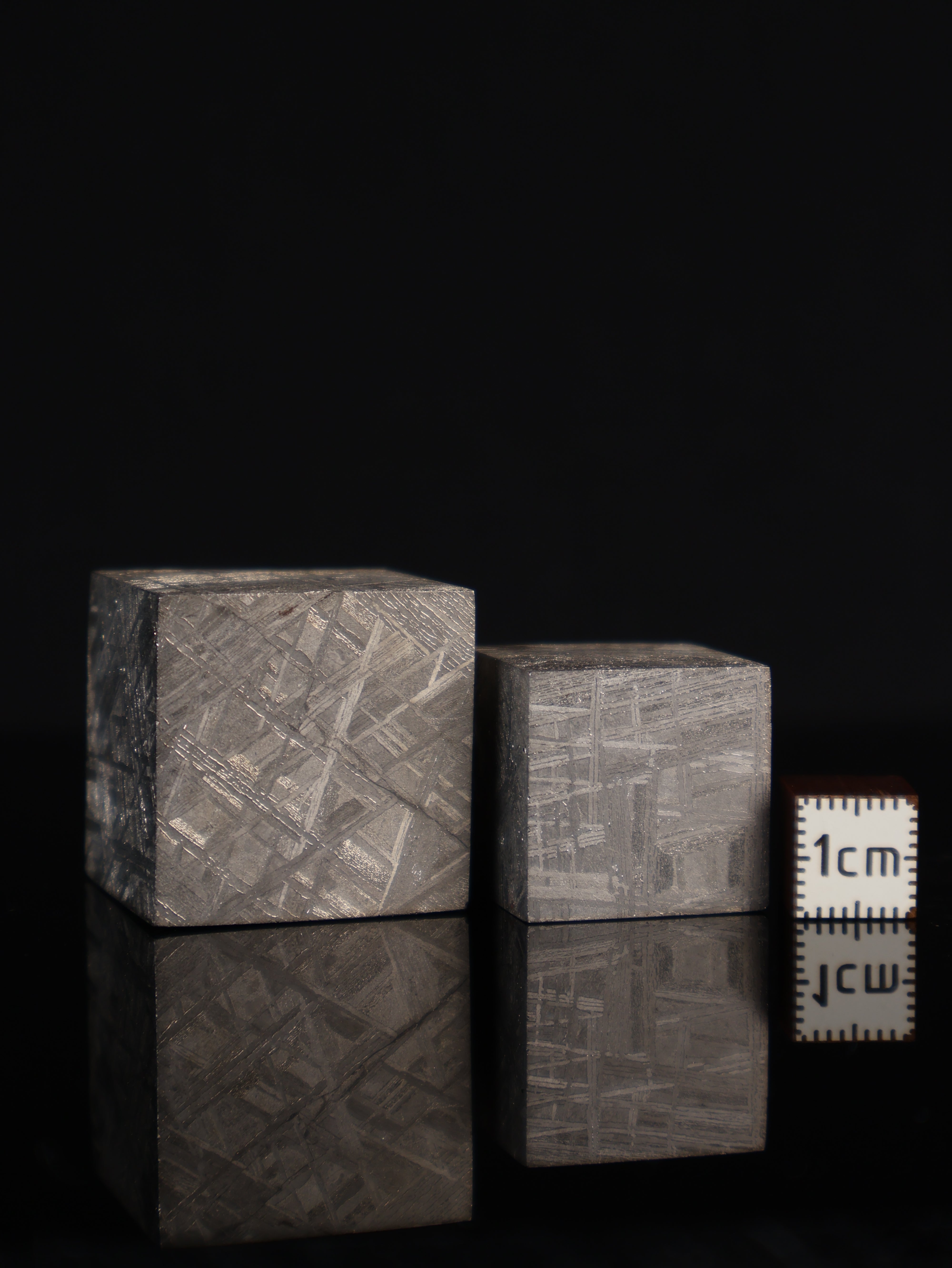
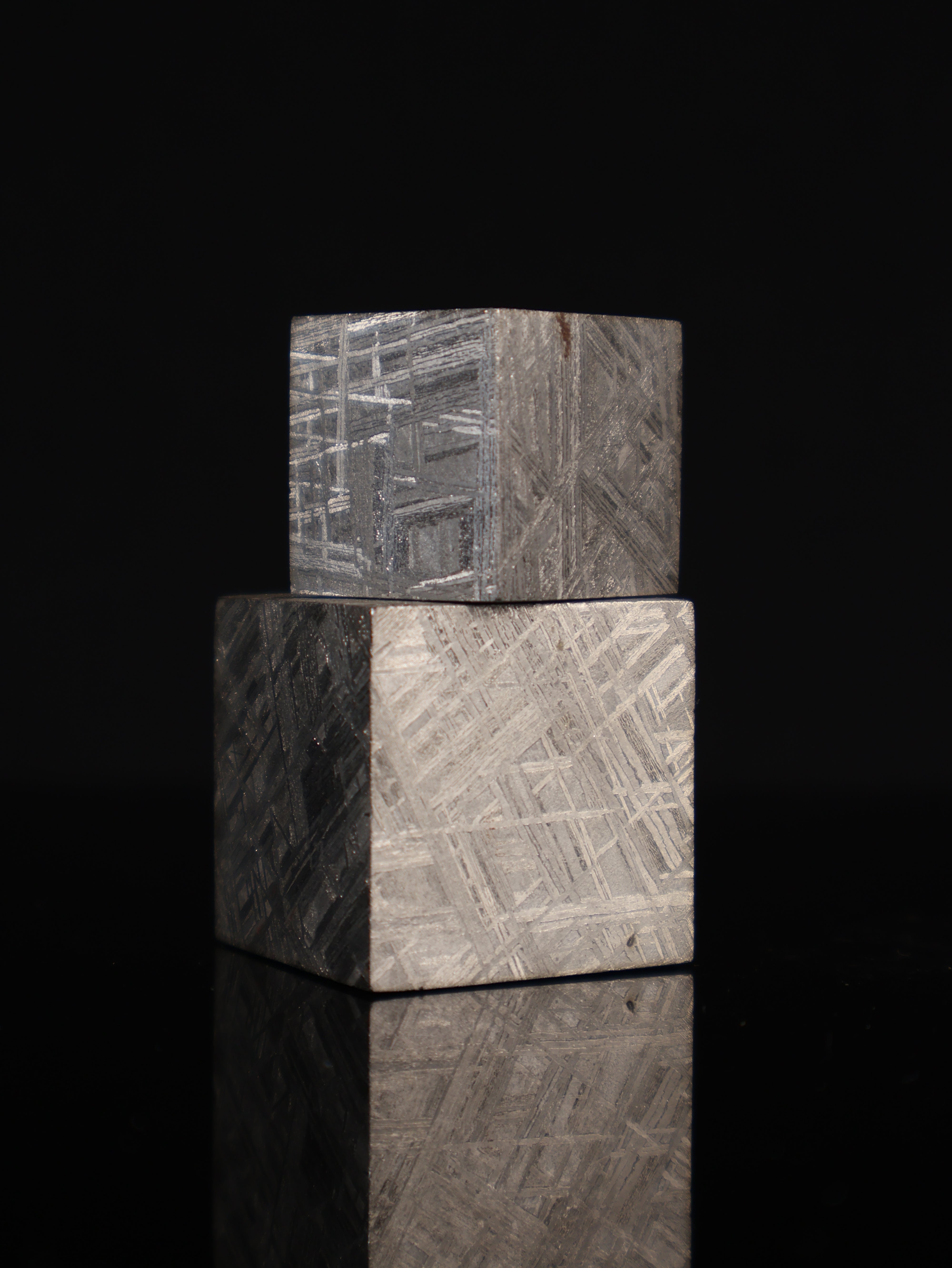
On iron pieces, the Widmanstätten pattern — the lattice of interlocking crystals revealed when the metal is cut and acid-etched — cannot be reproduced by any process on Earth; it only forms over millions of years of slow cooling in space. Iron and stony-iron samples are also strongly magnetic and noticeably dense for their size. Beyond that, every piece ships with a signed Certificate of Authenticity and is sourced under Emil’s IMCA membership (#4748).
Does the certificate carry a number?
No. Our certificates are signed, not numbered — each one names the meteorite, its classification and origin, and is signed by hand. The piece itself is the unique object; the certificate vouches for it.
Will an iron meteorite rust?
Iron and stony-iron meteorites are metallic iron, so in damp air they can develop surface rust over time — it’s actually a sign the metal is genuine. The fix is simple: keep them dry. Store in low humidity, handle as little as possible (skin oils and sweat accelerate it), and wipe with a soft dry cloth. A silica-gel sachet in a display case keeps moisture at bay. Stony pieces like chondrites and tektites such as moldavite don’t rust at all.
How should I handle and store it?
Handle etched surfaces gently — they scratch easily — and ideally with clean, dry hands or cotton gloves, since fingerprints can mark the metal. Keep iron pieces somewhere dry and stable; avoid bathrooms, basements and sealed bags that trap moisture. Display boxes already solve most of this for you.
Is every piece really one of a kind?
Yes. Every sample is a single, individual piece — cut, weighed and photographed on its own. What you see is the exact stone you receive; once it’s sold, that one is gone.
Where do the meteorites come from?
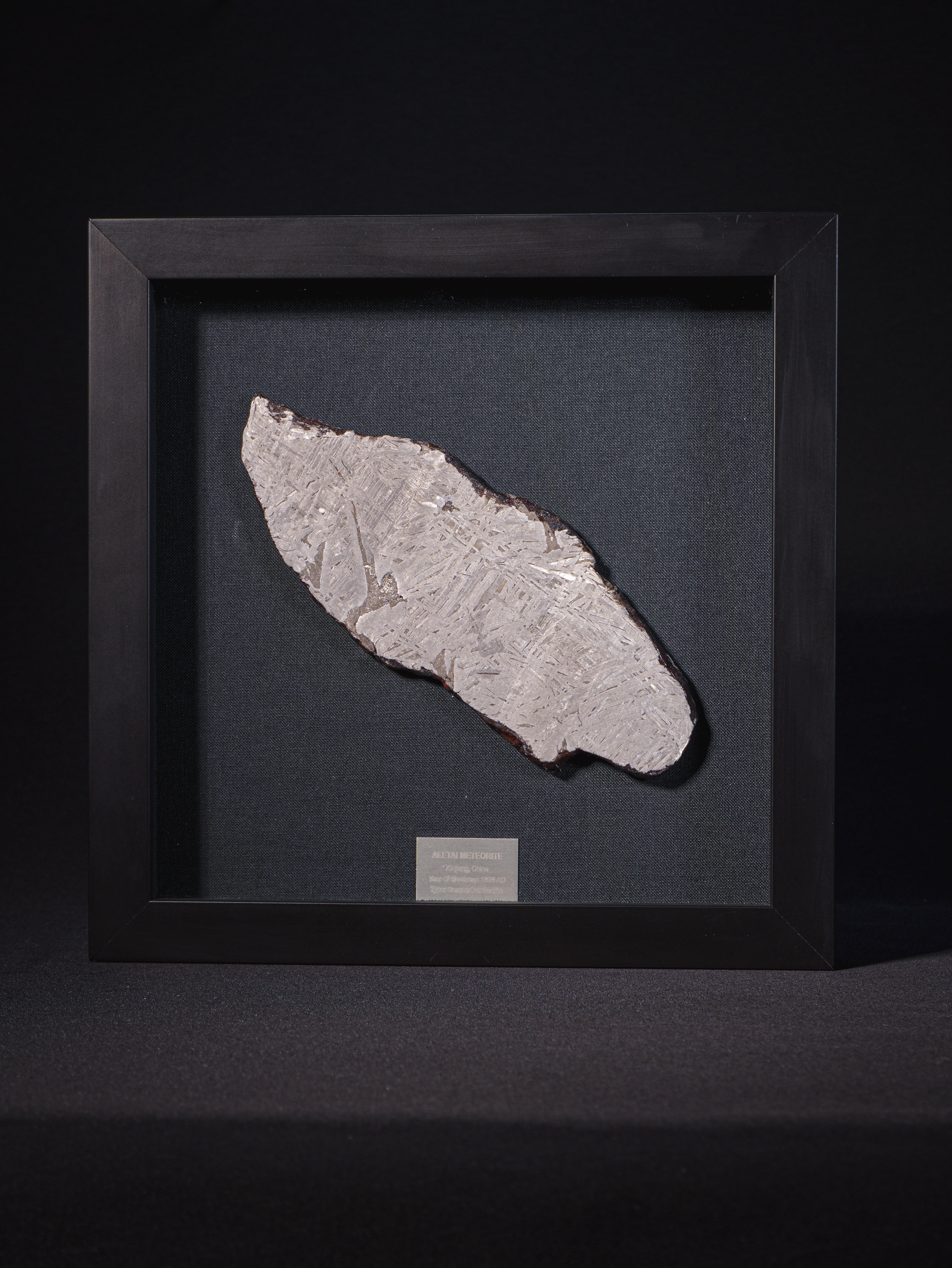
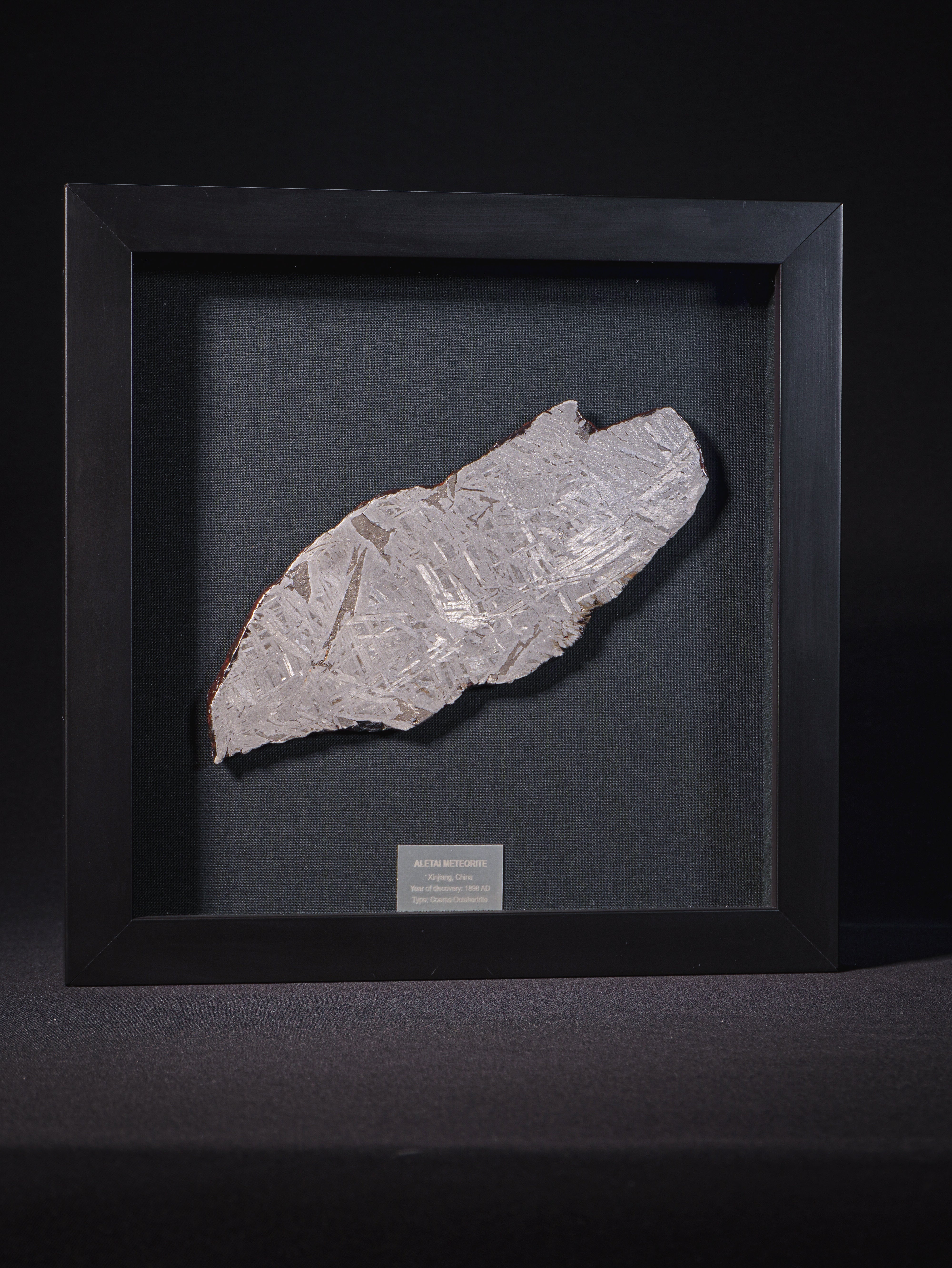
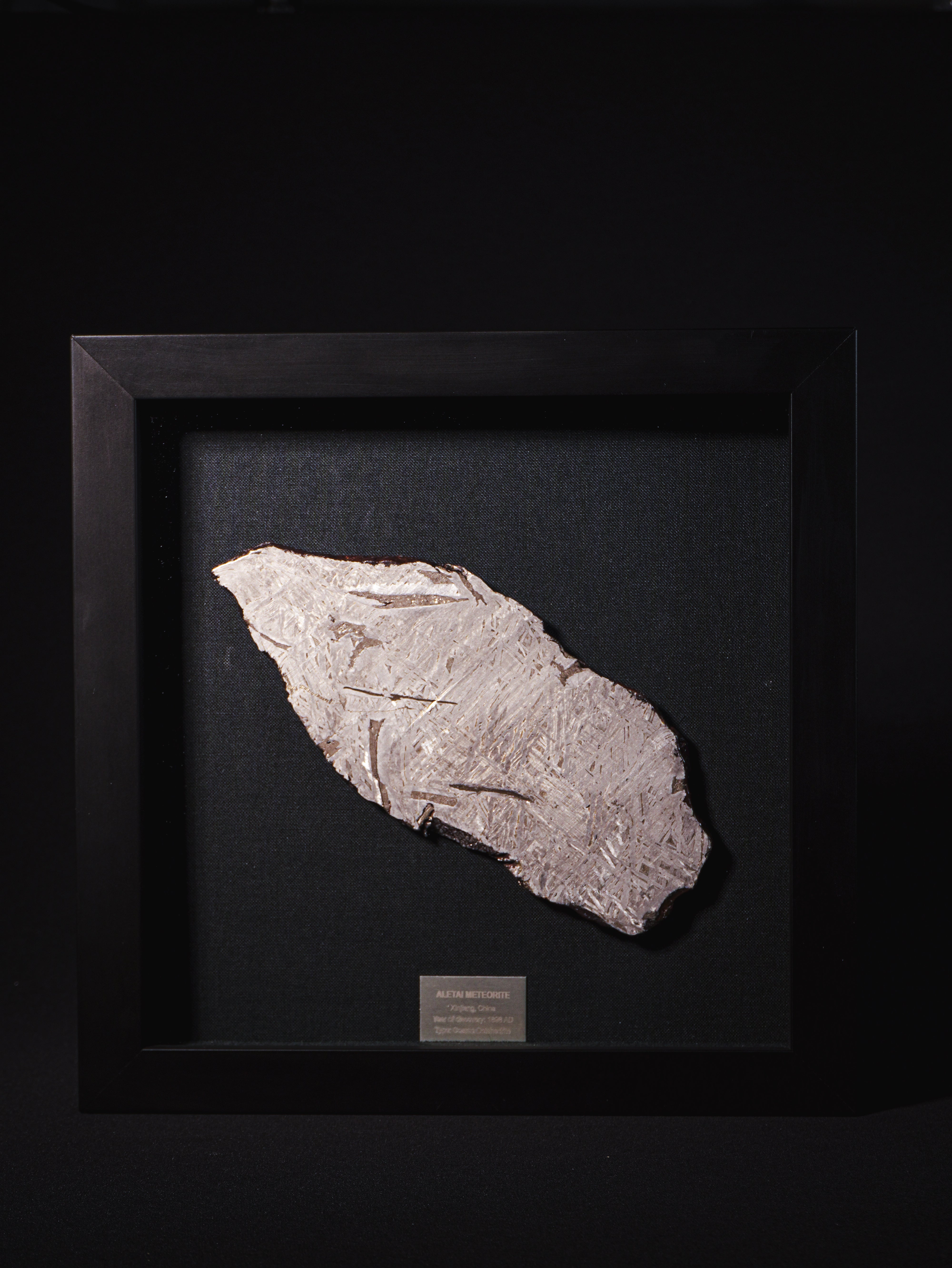
Muonionalusta we hunt ourselves in Swedish Lapland. The rest are chosen and verified from the strewnfields and finders who recover them — Sericho from Kenya, Imilac from the Atacama, Aletai from the Gobi, Campo del Cielo from South America, and lunar fragments from permitted recoveries. Moldavite is a tektite, not a meteorite — impact glass from the Czech Republic — and we always say so.
Do you ship overseas?
Yes — we ship from Barcelona to every country in the world with FedEx, fully insured. Delivery within Europe takes 3–4 days; the rest of the world, around 7 days.
Currently behind the door

What’s in the Vault now.

A small, changing handful. When one finds its person, its place stays empty — we don’t replace it.

Museum-grade
Imilac · Pallasite · Atacama

The Atacama Window

A full pallasite slice the size of a hand, its olivine so clear that light passes straight through. Preserved by the driest air on Earth. Nothing else like it has come through our hands.

Rarest
Lunar · Feldspathic · The Moon

A Piece of the Moon

An end piece of genuine lunar meteorite, one polished face revealing the breccia within. By mass, rarer than gold. It will not be back when it’s gone — there simply isn’t more.

Last one
Seymchan · Pallasite-iron · Magadan

Two Worlds, One Stone

A single slice that shows both faces of Seymchan at once — sharp Widmanstätten iron flowing into olivine-studded pallasite. The kind of cut you find once and never again.

Once they’re gone, they’re gone forever.

We don’t restock the Vault. Whether it’s a one-off piece of jewelry, a singular end cut or an object we’ll never source again — when it leaves, the door closes behind it. That’s not scarcity we invented. It’s the nature of the thing.

Not in the Vault today?

The Vault changes without warning. In the meantime, every sample in the catalog is one of one in its own right.